Riding the Glow: Capturing the River Cam After Dusk

Tonight we dive into Riverside Bike Photography along the River Cam: Tips for Low-Light Shots, guiding cyclists who love cameras through the shifting dusk that hugs Cambridge’s banks. Expect practical, field-tested advice shaped by puddled towpaths, lantern-lit bridges, and reflective water. Bring curiosity, patience, and a bell that kindly rings; we will balance motion with mood, safety with spontaneity, and artistry with simple habits you can repeat on every evening ride, then share in the comments for others to explore.

Reading the River’s Light

The Cam teaches restraint and timing. Light glances off slow water, amplifying highlights while swallowing shadows beneath willow fronds and stone arches. Understanding when reflections bloom and when they disappear helps you predict exposures, craft silhouettes, and guard detail. We will watch lamps flicker on along the Backs, feel mist soften contrast, and notice how a punt pole punctures glassy reflections. Follow this awareness, and your photographs will feel patiently observed rather than hurriedly taken between pedals.

Golden-to-Blue Hour Transitions by the Backs

Between King’s and Clare, warmth slips quietly into cobalt, and lawns fade to whispering shapes. Expose first for the sky to protect delicate gradients, then lift shadows thoughtfully. As temperature cools, water brightens relative to darkened banks, so meter cautiously. If a cyclist crosses your frame, let a slower shutter stitch their motion into the cooling air, keeping the chapel’s outline steady. Share your favorite bank to watch this shift; I love the hush near Garret Hostel Bridge.
Mist, Punts, and Sodium Lamps

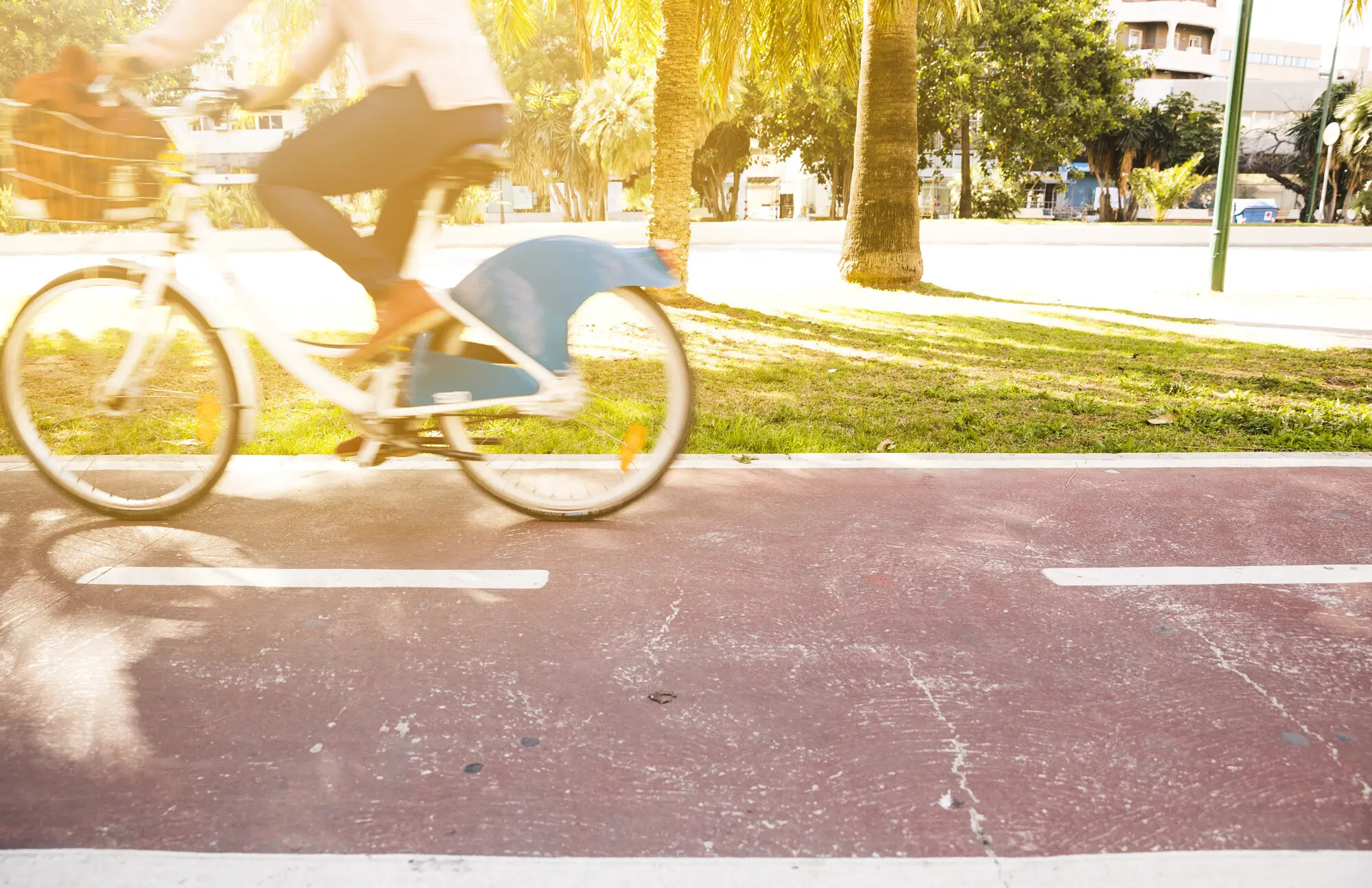
On damp nights, sodium lamps wash scenes with nostalgic amber that hugs fog and ripples. Instead of fighting the color cast, consider embracing it, anchoring a cooler white balance only for sky or steel. Punts ghost by with abridged reflections; time your shot as the pole arcs, committing a gesture rather than a boat. Mist leans into backlight, so seek positions where lamps sit just outside the frame, feathering glow onto cyclists’ coats and wet cobbles without flaring your lens.
Reflections and Specular Highlights on Moving Water

The Cam’s surface rarely rests completely, so highlights dance and break apart unpredictably. Use slight underexposure to protect specular textures, lifting mids in post where needed. Polarizers often harm evening brightness, but a gentle turn can tame the harshest glare. Compose reflections as equal partners to structures, not mere echoes; let the Mathematical Bridge meet itself in a rippled conversation. When bicycles cross parapets, their wheels ignite thin ribbons of light that stitch across the undulating mirror below.
Mobile Gear for Two-Wheeled Shooters

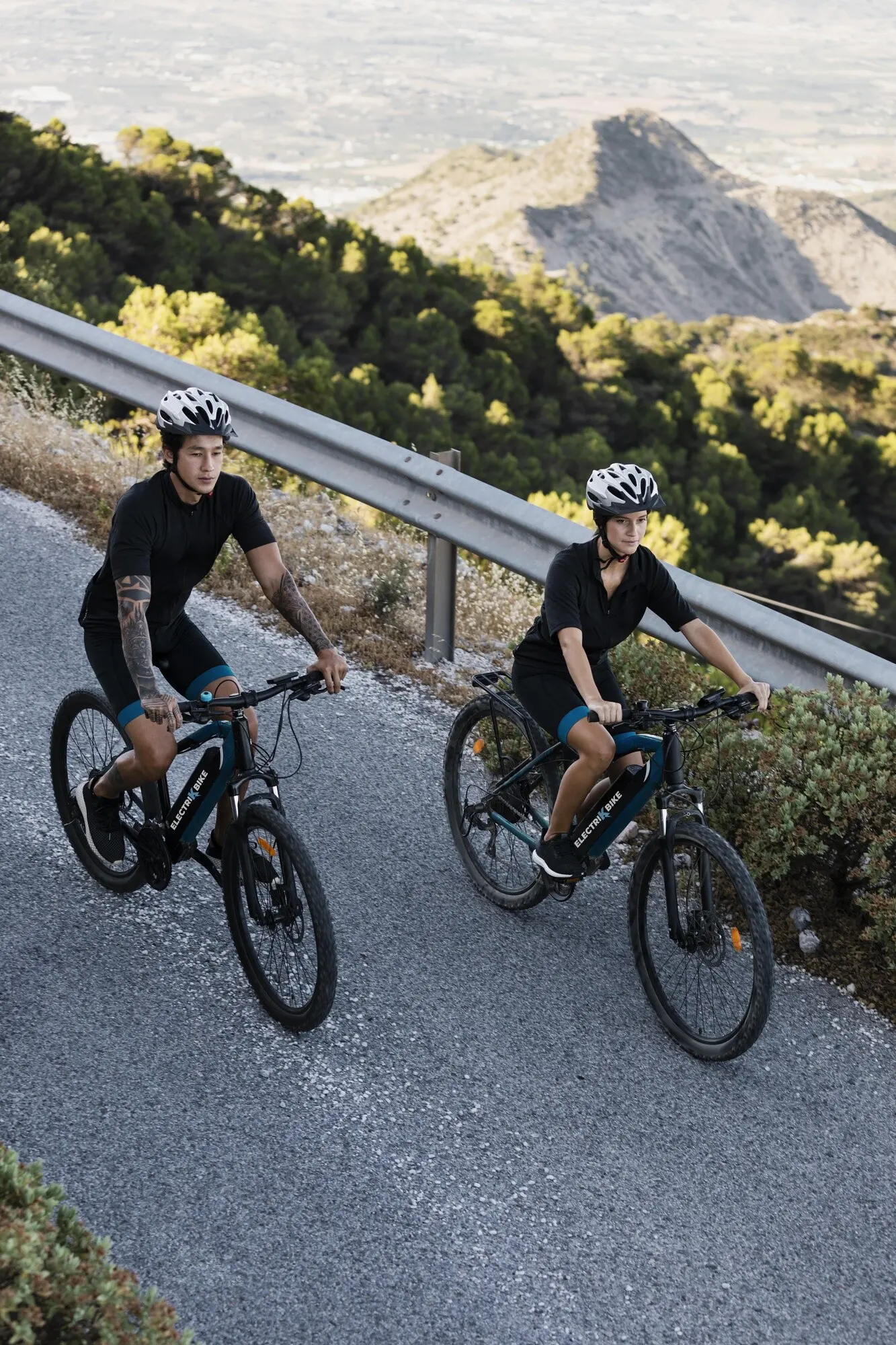
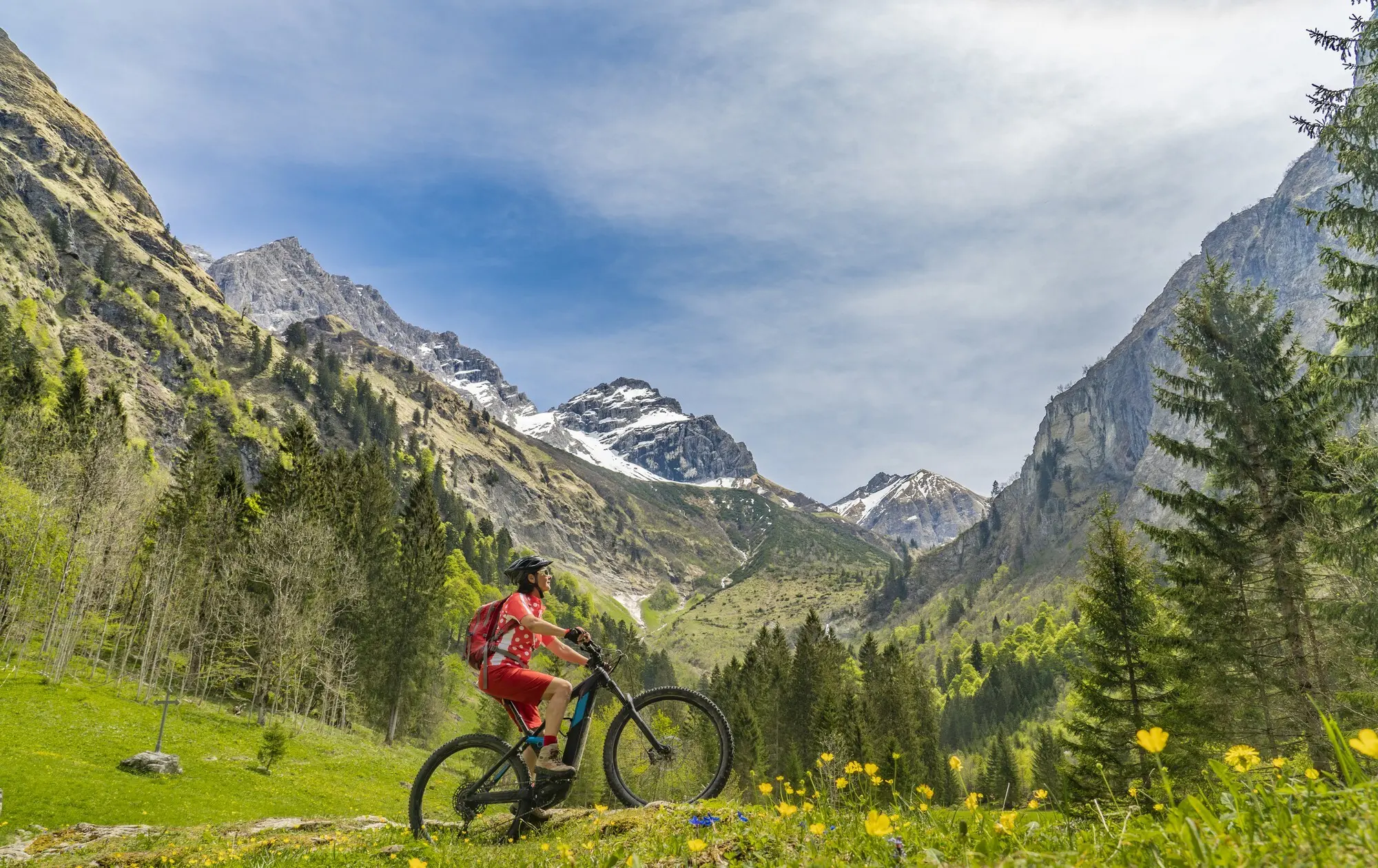
Travel light enough to enjoy the ride, yet prepared to shape dusk into something memorable. Fast primes, stabilized bodies, and a compact support can transform marginal light into graceful detail. Handlebar bags protect glass, and reflective straps keep you visible between exposures. A microfiber cloth rescues fogged elements, while fingerless gloves preserve tactile control. Choose gear that tucks away quickly when a dog walker needs the narrow path. Share your bag layout; your packing wisdom might spare another rider a soaked lens.

Settings That Keep Motion Poetic, Not Messy

Low light rewards intention more than automation. Decide whether movement should blur lyrically or freeze crisply, then tune shutter, aperture, and ISO accordingly. Water reflections skew meters, so trust your histogram, not the LCD alone. Shoot RAW to cushion exposure shifts and color mysteries. Prioritize consistency across a short sequence to build a visual story. If you find a perfect scene, wait through several cycles of passing bikes; repetition clarifies the right balance of motion, sharpness, and ambient glow.

Using Towpaths and Railing Lines to Guide the Eye

Start with geometry: let a railing lift the viewer’s gaze toward a bridge, then release into the darkening sky. Curb clutter by stepping slightly into the grass, lowering perspective so cobbles loom large and purposeful. When another cyclist appears, time their entry at a rule-of-thirds intersection. Avoid crowding both path and water with equal weight; choose a hero and serve it. Post two variants of the same corner, one high and one low, so readers can compare the emotional shift.

Iconic Bridges: Garret Hostel, Mathematical, and Victoria

Each bridge offers a different voice. Garret Hostel gifts minimal lines and reflective calm. The Mathematical Bridge whispers of craft, its latticework soldering light into delicate patterns. Victoria Avenue sits amid trees and open sky, ideal for generous reflections and layered traffic. Visit at varying times to learn how crowds, punts, and cyclists inhabit space. Pair a slow shutter with a static arch to braid motion against solidity. Share your favorite vantage and why; your insight may reroute someone’s evening ride delightfully.

Riding Considerately Among Walkers, Rowers, and Dogs

Slow near clusters, ring before corners, and keep your beam angled down to spare dazzled eyes. Rowers tow equipment and move with urgency; grant them corridor. Leashes can stretch invisibly in dim light, so treat every silhouette as precious. When setting up a long exposure, step completely off-path or dismount. If someone asks about your camera, smile and share; curiosity can become camaraderie. Drop your own etiquette tips below; small habits stitched together create evenings everyone wants to revisit.

Weather, Flooding, and Slippery Surfaces Near Locks

After rain, locks gather slick algae that embarrasses the overconfident. Test footing before committing weight, and never lean over water with an unsecured camera. Flooded grass conceals ankle-twisting hollows; ride conservatively until familiar again. Wind funneled beneath bridges can shove a tripod or jolt your pan. Pack reflective layers for sudden gloom. Share hazard updates in the comments so others reroute around trouble, and celebrate the brave return of clear nights with photographs that prove patience outlasts puddles.

Playful Techniques in the Gloaming

Once safety and exposure settle, invite experimentation. Let your bike’s lamps become brushes, your shutter a canvas, and the river a collaborator. Panning turns routine commutes into silver ribbons. Intentional camera movement paints willows and parapets into impressionist memory. Double exposures invent conversations between arches and riders who never met. Failures will outweigh wins, yet each near-miss teaches flow. Share behind-the-scenes frames, settings, and stumbles, transforming mystery into shared craft and the Cam into a patient, generous classroom.

Editing to Preserve Atmosphere, Texture, and Truth

Great editing whispers. Lift shadows until faces breathe while letting the night remain night. Denoise with restraint so water keeps its delicate shimmer. Nudge color to honor memory rather than chase novelty. Local masks reveal bridge grain, leaf shine, and gentle mist. A final curve bend protects highlights near lamps from plastic glare. Export thoughtfully for screens or prints, and write captions that gift context. Invite questions, share RAWs for community practice, and subscribe for route maps and seasonal light notes.

Denoise Gently, Sharpen Smartly, Keep the Mood Intact

Run luminance noise reduction until blotches calm, then stop before skin turns waxy or water loses sparkle. Add modest capture sharpening and a targeted pass on edges like masonry joints and bicycle rims. Resist global clarity; favor local micro-contrast around subjects. If grain remains, consider embracing it as texture that suits night. Show before-and-after crops in the comments, and describe your thresholds, so others calibrate taste rather than chase numbers. The Cam’s hush deserves crispness without cruelty.

Local Adjustments to Pull Detail from Banks and Sky

Use radial masks to cradle faces or handlebars, feathering gently to avoid halos. A linear gradient across sky safeguards that fragile cobalt while leaving banks negotiable for lift. Warm lamps with a touch of saturation, but dodge hotspots to restore filament detail. A hint of dehaze can carve mist without erasing romance. Post your mask screenshots and reasoning; seeing exactly where you painted teaches more than settings alone, and helps newcomers appreciate measured restraint over heavy-handed global changes.

Lentokirapeximirapalo
Privacy Overview

This website uses cookies so that we can provide you with the best user experience possible. Cookie information is stored in your browser and performs functions such as recognising you when you return to our website and helping our team to understand which sections of the website you find most interesting and useful.